What Native Plants Actually Work in a Cork Garden
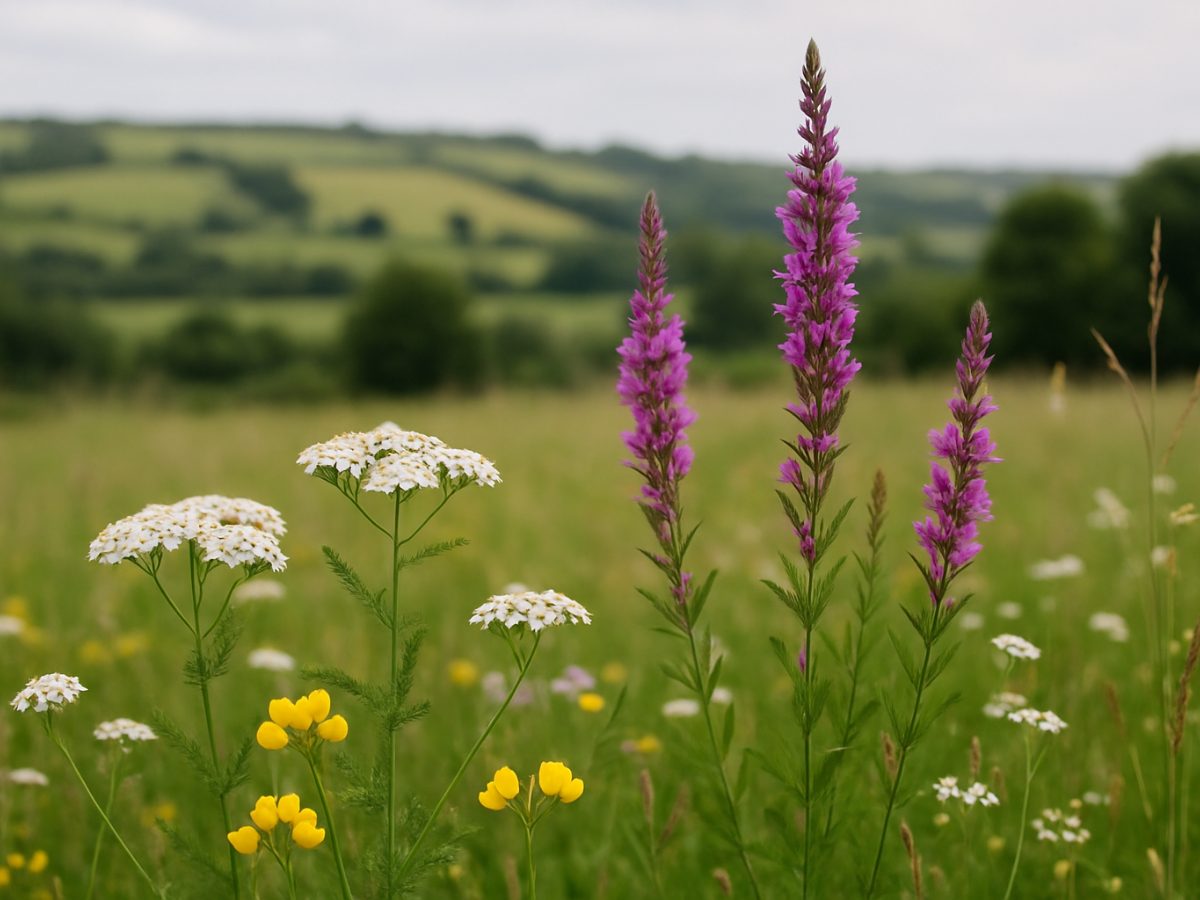
Cork's climate is mild, damp and rarely dramatic, which sounds like a complaint but is actually ideal for growing native plants. The county sits in one of the wettest corners of Ireland, with Atlantic air rolling in off the coast and heavy rainfall across much of the year. Rather than fighting that with exotic species that sulk through every winter, it makes far more sense to lean into what already grows well here.
The problem with a lot of gardening advice is that it treats Ireland as one uniform place. It is not. A garden in Mitchelstown behaves differently to one in Skibbereen. Even within Cork, soil types, elevation and shelter vary enormously. That said, there are native species that perform reliably across most of the county, and they will generally ask very little of you once they are established.
Plants that genuinely earn their place in a Cork garden
- Hawthorn (Crataegus monogyna). If you have a boundary to screen or a hedge to establish, hawthorn is hard to beat. It handles wet soil, coastal exposure and heavy pruning. It flowers in May, produces berries in autumn and brings in more insects and birds than almost any ornamental shrub you could plant instead.
- Wood anemone (Anemone nemorosa). Delicate-looking but surprisingly tough. It spreads slowly under trees and in shaded corners where most garden plants give up. Works well under oak or ash if you have them. It will disappear in summer, so plant it where something else fills in later.
- Crab apple (Malus sylvestris). A proper small tree for a medium-sized garden. Spring blossom, autumn fruit and reliable support for pollinators. The fruit is too sour to eat off the tree but makes excellent jelly, and the birds will clean up anything left by January.
- Yellow flag iris (Iris pseudacorus). If you have a wet patch that drains poorly, plant this rather than spend money trying to fix the problem. It thrives in boggy ground, flowers well in early summer and looks genuinely good beside a pond or a low-lying border.
- Dog rose (Rosa canina). Sprawling and informal, which suits a lot of Cork gardens that are not trying to be anything too neat. It handles poor soil, flowers once in June and produces bright red hips that last well into winter.
- Foxglove (Digitalis purpurea). Technically a biennial, so it seeds itself around and reappears each year once you get it going. It fills gaps in borders, does well in partial shade and is one of the best plants you can have for bumblebees in a county where bumblebee populations are still reasonably healthy.
A few practical points before you plant
Source plants from a reputable Irish nursery rather than picking up cheap stock that turns out to be a cultivated variety rather than a true native. The distinction matters if you are trying to support local wildlife rather than just fill space.
The National Parks and Wildlife Service has useful guidance on which species are considered native to Ireland and how they interact with local biodiversity, which is worth reading before you commit to anything.
Spring planting works well here, but autumn is often better for trees and hedging because the ground stays warm long enough for roots to establish before the cold sets in properly.