Do Composite Decking Boards Actually Last Longer Than Timber in Irish Weather?
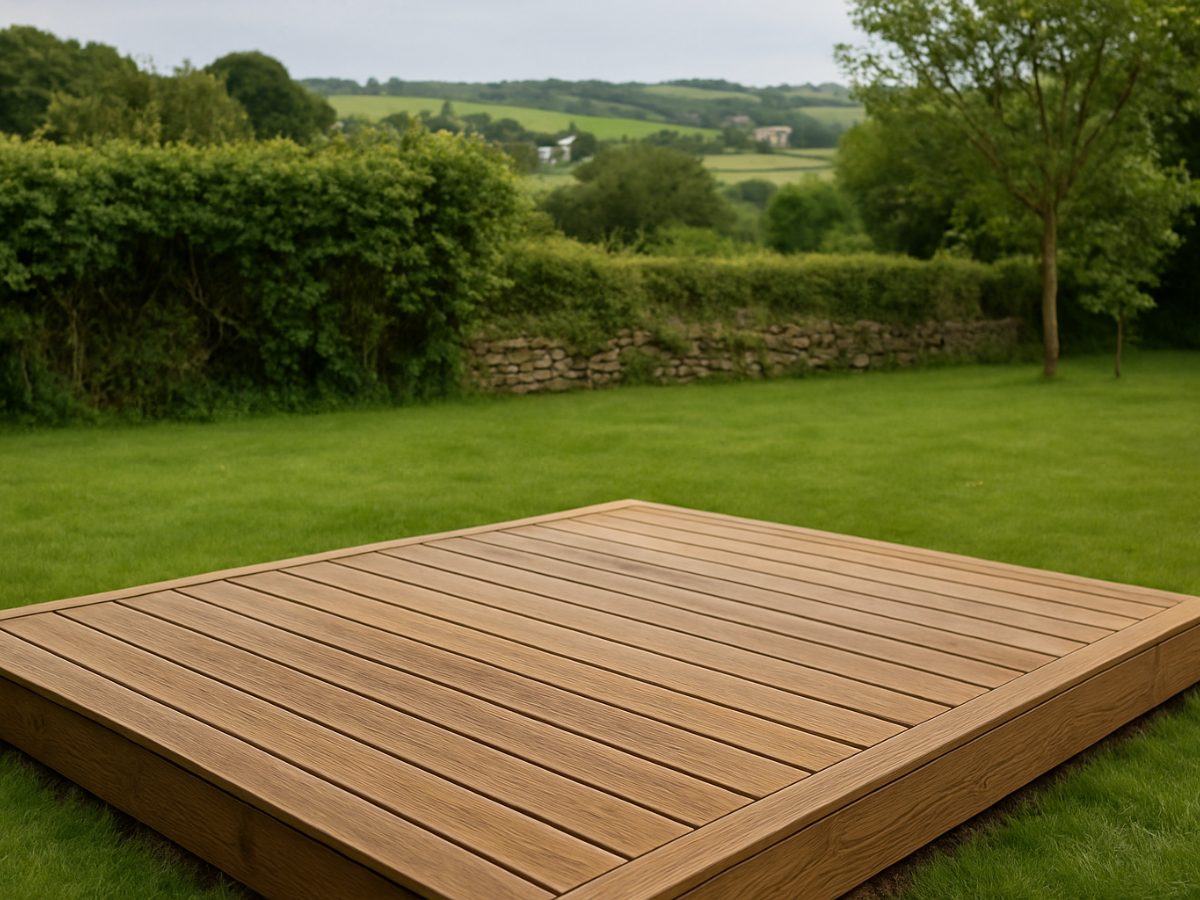
Anyone who has put a timber deck in their back garden in Cork knows the story. It looks brilliant the first summer, maybe the second too. Then the green creep starts, the boards begin to lift slightly at the edges, and within five or six years you are either resealing the whole thing or pulling it apart. So the question a lot of people are asking now is whether composite decking is actually worth the extra cost, or whether it is just clever marketing aimed at people who are tired of maintenance.
The honest answer is: it depends on what you mean by "last longer", and what you are willing to do to help it along.
What Cork's weather actually does to decking
We are not dealing with Mediterranean conditions here. Cork gets a serious amount of rain, probably more than most parts of Ireland outside of the west coast. The city itself sits in a river valley that funnels damp air in from the south and west, and even in summer you can count on a good stretch of wet days. That moisture is the main enemy of outdoor timber.
Beyond the rainfall, we get the freeze-thaw problem. Temperatures around Cork rarely drop to the kind of sustained lows you would see in Scandinavia, but we do get repeated dips below zero in January and February, followed by mild spells. Water gets into the grain of timber, freezes, expands and then contracts again. Do that a few dozen times over a couple of winters and you will see the wood start to split and check, especially around fixings.
Pressure-treated timber does resist this better than untreated wood, no question. The treatment pushes preservative deep into the fibres and extends the working life considerably. But the surface itself, the part you walk on and the part exposed to rain, still needs attention every year or two if you want it to stay looking reasonable.
Where composite decking has a genuine edge
Composite boards are made from a mix of wood fibre and plastic, usually with a protective outer shell on the better quality products. That shell is what makes the difference in a wet climate. Water does not soak in the same way, so you avoid most of the swelling, splitting and algae issues that come with timber.
In practical terms, a well-made composite deck in Cork should hold its structure for fifteen to twenty-five years without major work. You will still need to clean it, probably once or twice a year with a stiff brush and some soapy water, but you are not looking at sanding, oiling or staining on any kind of regular cycle. For people who just want the deck to be there and usable, that is a real advantage.
The freeze-thaw situation is also handled better by composite. Good boards are designed with some flexibility built in, and because they are not absorbing water in the first place, there is far less for the frost to work on.
Where pressure-treated timber still holds its own
Cost is the obvious one. A pressure-treated timber deck typically comes in at somewhere between a third and half the price of a composite installation of the same size, depending on the boards and fixings you choose. That is a significant gap, especially on a larger garden project.
Timber also feels warmer underfoot, literally and visually. There is a reason people keep choosing it. A well-maintained hardwood or good-quality pressure-treated softwood deck has a character that composite boards, for all their practicality, have not quite managed to replicate. Some composite products have come a long way on the aesthetics, but if you look closely or walk on them in bare feet, you can usually tell the difference.
Timber is also easier to repair in isolation. If one board goes wrong, you replace it. With some composite systems, matching boards from the same batch years later can be tricky, and the colour can shift slightly over time so a new board stands out.
So which one actually lasts longer in Cork conditions?
Composite will outlast pressure-treated timber in a like-for-like comparison here, particularly if the timber gets the kind of neglect that most of us are guilty of. But a timber deck that is properly installed, sealed on all sides before laying, and oiled or stained every couple of years will still give you ten to fifteen solid years without drama.
The real question is not just lifespan but total cost and effort over that lifespan. If you hate maintenance and you are building something you want to forget about, composite is the stronger choice for Cork's climate. If you are handy, happy to put in a weekend every other year, and working to a tighter budget, pressure-treated timber is still a perfectly reasonable option.