Pebbledash: The Case for Keeping It Rather Than Stripping It Off
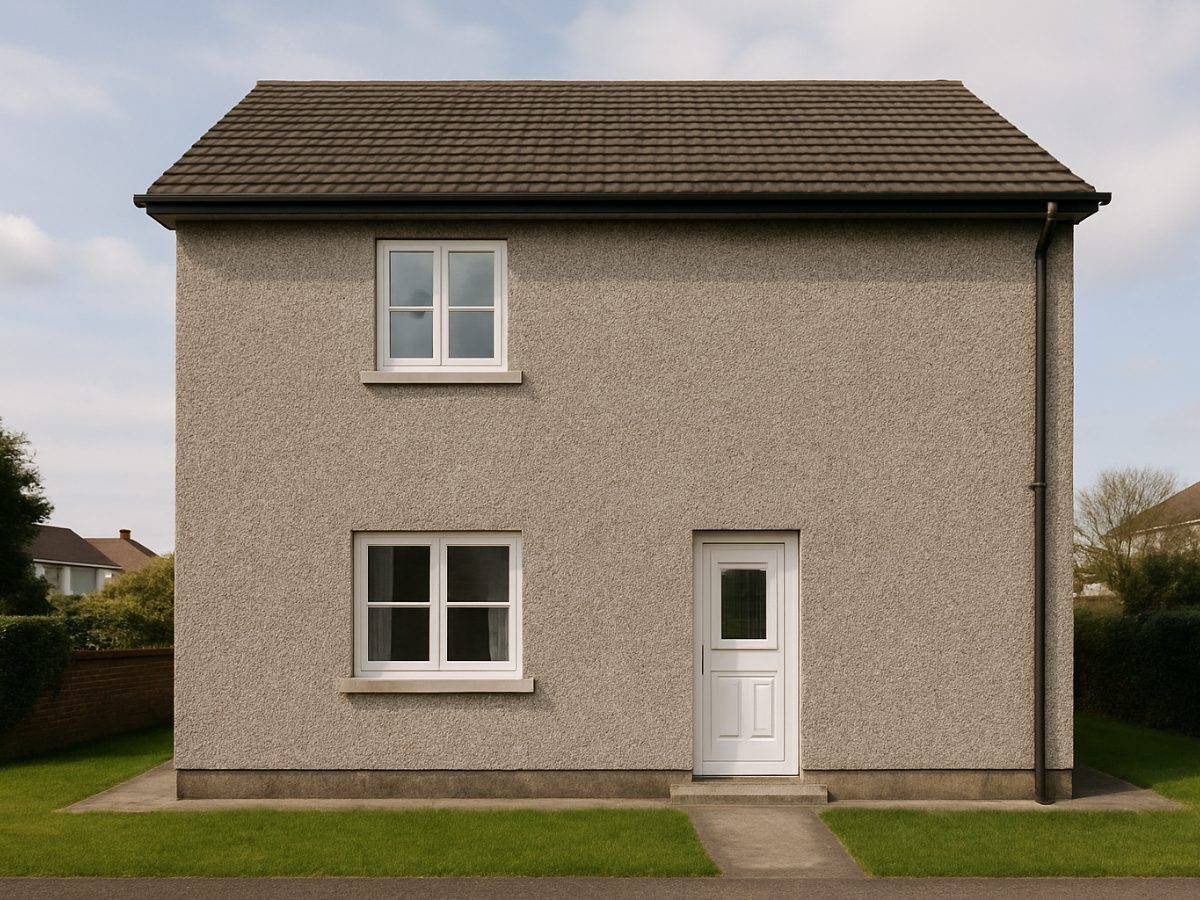
There is a particular look that comes over a builder's face when you mention pebbledash. A slight wince, maybe a sharp intake of breath, followed by the inevitable suggestion that you strip it all off and put a smooth render on instead. It happens constantly in Cork, and we think it is worth pushing back on that reflex a little.
Pebbledash has had a rough few years in terms of reputation. It got lumped in with everything people dislike about older housing stock, and somewhere along the way it became shorthand for neglect or poor taste. That is deeply unfair, and it ignores what the stuff actually does.
It was put there for a reason
A lot of the houses in Cork city and county that carry pebbledash were built in the early to mid twentieth century, sometimes earlier. The finish was applied specifically because it is tough. The aggregate surface sheds water rather than absorbing it, which matters enormously in a county that sees the rainfall Cork sees. A well-applied pebbledash coat on solid masonry can last decades without meaningful intervention. That is not a small thing.
Strip it off and replace it with a smooth silicone or acrylic render, and you have something that looks very clean in the brochure photographs. What you also have is a surface that shows every crack, every dirty streak from the gutters, and every patch repair in vivid detail. Smooth render on an old house that moves even slightly with the seasons tends to show it.
The character argument matters too
There are streets in Cork where the mix of pebbledash semis, painted rendered terraces and the occasional red brick gives the whole road a texture and warmth that you simply do not get from a uniform grey or white smooth finish. Not every house needs to look like it belongs on a new development. Some of the charm of older Cork neighbourhoods comes precisely from the fact that they do not.
We are not saying pebbledash should never come off. If it is blown, if it is hiding serious structural problems that need exposing, if damp is sitting behind it, then yes, take it off and deal with what is underneath. That is just common sense. But removing it purely for cosmetic reasons, because smooth render is fashionable right now, feels shortsighted.
Fashion in exteriors moves. What looks fresh and contemporary in 2025 can look dated by 2035, and by then you have spent a significant sum on a finish that needs constant maintenance and repainting to keep looking the way it did on day one.
If your pebbledash is sound, clean it, repair any loose sections, and paint it if you like. It has done its job for decades. Give it the credit it deserves.