How to Bleed a Radiator Without Making a Mess of Your Carpet
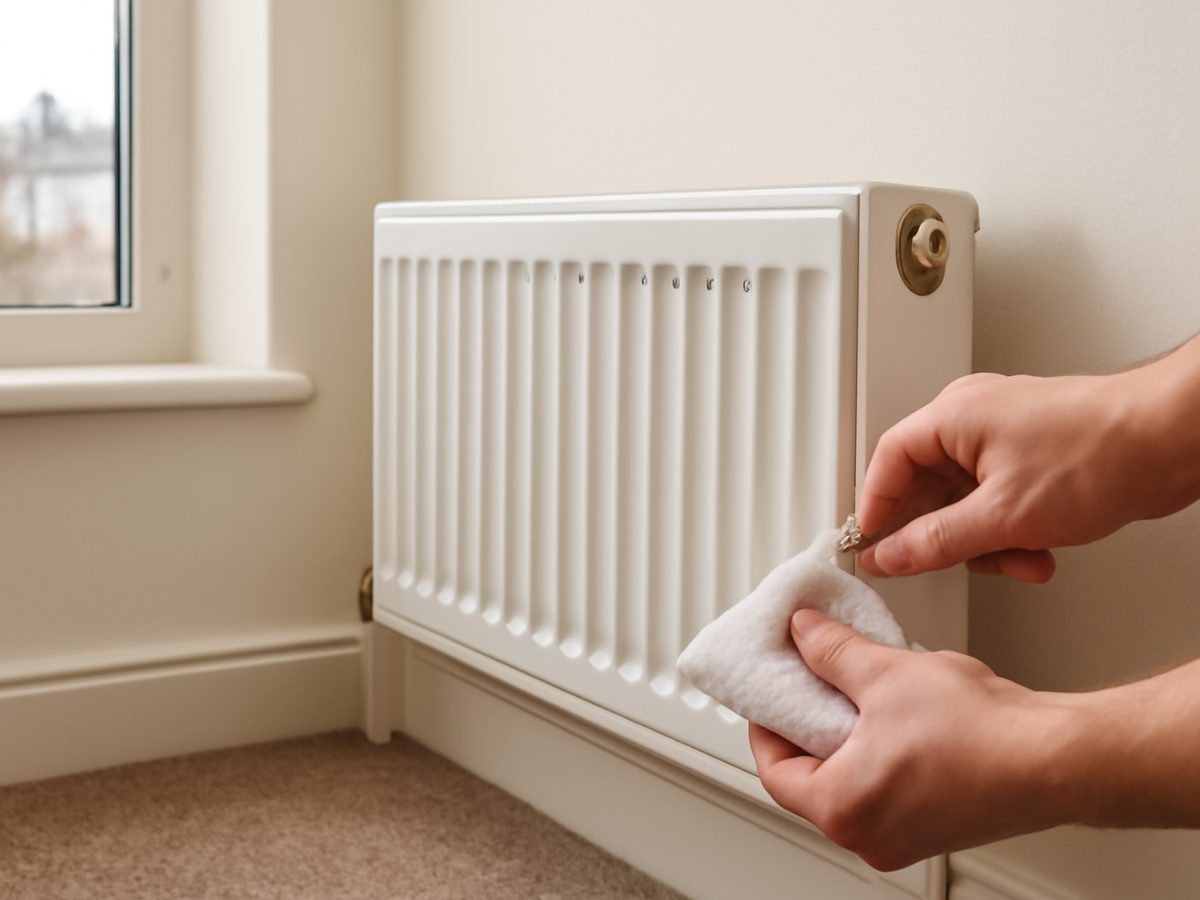
Every autumn it's the same story. You turn on the heating for the first time in months, walk into the sitting room and hear that unmistakable gurgling, clunking sound coming from behind the radiator. The top half stays stone cold while the bottom warms up. You know what needs doing. You're just not sure you won't end up with a rust-coloured puddle on your carpet.
Bleeding a radiator is genuinely simple, but a bit of preparation stops the mess before it starts. Here's how to do it without the drama.
What you'll need
- A radiator bleed key (pick one up in any hardware shop for about a euro or two)
- An old cloth or small towel
- A shallow container, like a jam jar lid or a small bowl
- A dry cloth for any drips
If your radiator has a slotted bleed valve instead of the square type, a flat-head screwdriver works just as well.
Before you start
Turn on your heating and let it run for ten to fifteen minutes so the system is fully pressurised. Then turn it off and let everything cool down for another ten minutes or so. You want the water pressure there but you do not want to be dealing with scalding water spraying out at you. Once the radiators are warm rather than boiling hot, you're ready.
Step by step
- Lay your cloth on the floor beside the radiator. Fold it a few times so it covers a decent patch of carpet or floor directly underneath and around the bleed valve. This is the step most people skip and then regret.
- Hold your container up against the valve. The bleed valve is at the top of one end of the radiator, usually on the side. Press the jar lid or small bowl against the wall just below it to catch whatever comes out.
- Insert the bleed key and turn it slowly anticlockwise. A quarter turn is usually enough. You'll hear a hissing sound straight away. That's the trapped air escaping. Keep the key in and hold your container steady.
- Wait until water appears. The hissing will slow and then a trickle of water will come out, sometimes a bit discoloured if the system is older. The moment you see a steady stream of water with no air mixed in, stop.
- Turn the key clockwise to close the valve. Don't overtighten it. Firm and snug is enough. Wipe around the valve with your dry cloth.
After bleeding
Check your boiler pressure gauge straight after you've bled all the radiators that needed it. Bleeding releases water from the system and the pressure can drop. Most combi boilers want to sit somewhere between one and one and a half bar. If it's dropped below one, you'll need to top it up using the filling loop, which is usually a small valve or braided hose underneath the boiler itself.
Do all the cold or noisy radiators on the same day, starting with the ones on the ground floor first, then work your way upstairs.